Engaging Men as Allies in Gender Sensitivity and Human Rights for Inclusive Leadership
- yowpsudorg

- Apr 25
- 2 min read

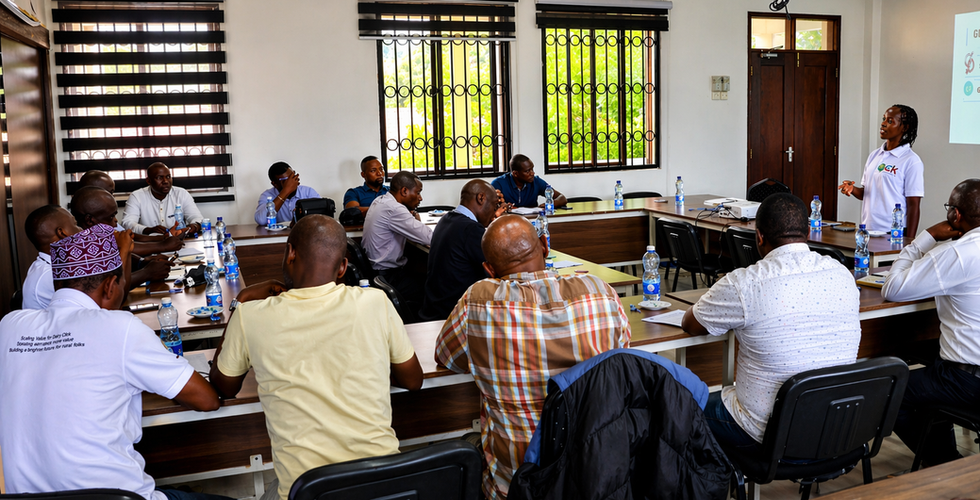
Men drawn from the security sector, justice institutions and civil society organizations recently convened under the Mwanamke Imara Project for a gender sensitivity and human rights training aimed at unpacking barriers that continue to hinder women’s participation and leadership in PCVE.
The training created a reflective and honest space for dialogue on gender equality, gender equity and the role men can play as allies in advancing inclusive leadership. At the heart of the discussions was a shared recognition that deeply rooted social norms and constructed narratives continue to fuel discrimination, undermine human rights and contribute to gender-based violence, particularly affecting women in leadership spaces.
Participants explored critical questions:
Can we truly achieve gender equality?
Can we realize gender equity?
And what practical steps are needed to get there?
A recurring theme from the discussions was the need to move conversations on gender beyond framing it as solely a “women’s issue.” Participants emphasized the importance of approaching gender through a lens that considers the experiences, roles and responsibilities of all genders, while fostering harmony and collaboration rather than division.
The men at the training voiced a strong interest in understanding how they can work together with women in more supportive and constructive ways. Conversations also highlighted how some empowerment narratives, while intended to advance women’s rights, are sometimes perceived as alienating men and may unintentionally create resistance to women’s leadership. Participants reflected on the need for narratives that promote partnership, mutual respect and shared progress instead of reinforcing antagonism.
Importantly, the training did not shy away from difficult conversations. Participants examined harmful social narratives that normalize GBV and discussed how both women and men can be affected by restrictive gender expectations. A powerful point raised was that men, too, experience forms of GBV and often remain silent due to stigma and societal expectations around masculinity. This recognition opened space for broader discussions on vulnerability, support systems and the importance of addressing GBV in all its forms.
Through candid dialogue, the training reinforced that gender sensitivity is not about competition between men and women, but about justice, dignity and creating equitable systems where everyone can contribute meaningfully.
As part of the Mwanamke Imara Project, the engagement underscored that advancing women’s leadership in PCVE requires working with men as partners, challenging harmful norms, and building a shared understanding of human rights and inclusion.
The training closed with a renewed call for collective action: to transform narratives, strengthen allyship and foster environments where both women and men can lead, participate and thrive in peacebuilding and prevention efforts. Because sustainable peace and inclusive leadership can only be achieved when everyone is part of the conversation.







Men really need these conversations