Strengthening Access to Justice in Kilifi: Key Reflections from the 3rd Quarter Court Users Committee GBV & VE Subcommittee Meeting

Updated: May 20

Venue: Mnarani, Kilifi
Hosted by: Office of the United Nations High Commissioner for Human Rights (OHCHR)
Facilitated by: Hon. Ivy Wasike, Principal Magistrate – Kilifi Law Courts
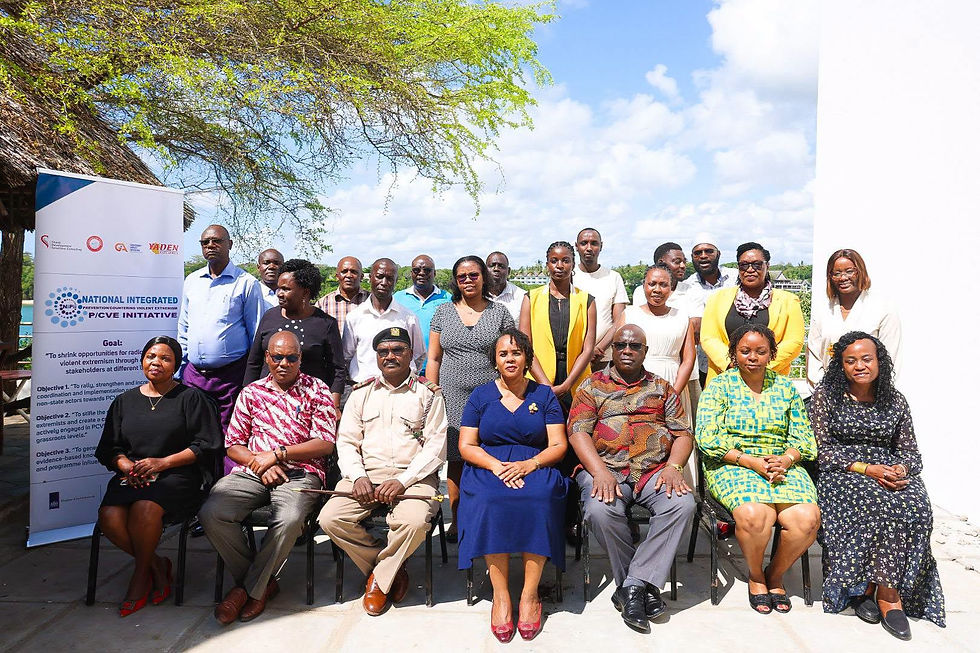
The 3rd Quarter Court Users Committee (CUC) Gender-Based Violence (GBV) and Violent Extremism (VE) Subcommittee Meeting brought together justice actors, civil society organizations, security institutions, court officials, and community stakeholders to reflect on the progress, challenges, and opportunities within Kilifi County’s justice system.
The session focused on introducing new members to the Court Users Committee structure, reviewing statistics on GBV, Sexual and Gender-Based Violence (SGBV), and VE-related cases, while also exploring the growing intersection between GBV and violent extremism within communities.
Facilitated by Hon. Ivy Wasike, Principal Magistrate at Kilifi Law Courts, the meeting highlighted the importance of a coordinated multi-sectoral approach in improving access to justice and strengthening protection systems for vulnerable populations.
OHCHR’s Expanding Commitment in Kilifi County
During the introductory session, representatives from the Office of the High Commissioner for Human Rights (OHCHR) outlined their four strategic focus areas in strengthening justice and human rights systems at the county level:
Strengthening institutional capacity
Grassroots engagement and community participation
Linkages to opportunities and economic empowerment
Documentation and amplification of successful multi-sectoral approaches
OHCHR further shared its intention to establish fully functioning county-level offices, with Kilifi identified among the counties set to benefit from this expansion. The organization also emphasized its commitment to documenting best practices and strengthening collaboration among existing networks, institutions, and community stakeholders.
The meeting additionally opened discussions on sustaining impactful initiatives already being implemented by justice actors and civil society organizations whose work aligns with OHCHR’s broader human rights and peacebuilding vision.
Statistical Overview: GBV, SGBV and VE Trends in Kilifi County
Data presented during the session showed both the scale of the challenge and the progress being made within Kilifi’s justice system.
According to statistics shared at the meeting, Kilifi had a total of 5,358 pending cases as of 30th April 2026, covering both civil and criminal matters. Of these:
1,888 cases were one year old
1,271 cases were below three years old
2,199 cases were over three years old
The analysis further showed that Sexual and Gender-Based Violence (SGBV) cases continue to form a significant portion of matters handled within the justice system. Defilement remains the most prevalent sexual offence reported before the courts.
Sexual Offences Reported in 2025/2026
The court data presented during the session indicated:
73 defilement cases reported involving victims aged between 3 and 17 years
7 sodomy cases involving victims aged 7–10 years
4 incest cases involving victims aged 14–18 years
6 rape cases involving victims aged 20–52 years
5 attempted defilement cases
4 indecent assault cases
Out of the total reported sexual offence cases:
97 cases remained pending
Only 20 cases had been finalized
The data also revealed that many pending sexual offences date back several years, with some cases originating as early as 2019.
Before and Now: Measuring Progress in the Justice System
Where We Were in 2024
Statistics presented from the June 2024 CUC report painted a picture of a justice system struggling with significant case backlogs and institutional gaps.
As of 30th June 2024:
Kilifi Chief Magistrate Court had 1,223 pending criminal cases
309 of these were sexual offence cases
Sexual offences accounted for 25.26% of all pending criminal cases
No sexual offence case registered in June 2024 had been concluded by the end of that month
The 2024 findings also revealed major systemic challenges:
Many victims were minors aged between 11–17 years
Most juvenile perpetrators had dropped out of school
Witness attendance remained difficult, especially for survivors aged 15–17 years
Cases frequently stalled due to delayed medical evidence and investigations
Survivors from remote areas such as Ganze heavily relied on police transport to attend court
Stakeholders further noted that many victims below the age of 10 reported repeated abuse before action was taken.
Where We Are Now in 2026
The current justice landscape demonstrates growing institutional coordination and stronger stakeholder engagement.
Compared to previous years, the county has witnessed:
Increased collaboration through the Court Users Committee structures
More targeted GBV and VE sensitization activities across communities
Enhanced partnerships between Judiciary, police, civil society and development partners
Expanded engagement with youth, women, persons with disabilities and community gatekeepers
Improved awareness around online sexual abuse, grooming, radicalization and technology-facilitated GBV
Increased focus on survivor-centered justice approaches and witness protection
The subcommittee has also strengthened community outreach efforts through dialogues in Matsangoni, Bamba, Kanamai, Kilifi South, Ganze and Kiwapa among other areas.
Additionally, targeted trainings have been conducted for:
Gender Desk Officers
Police officers
Justice actors
Community gatekeepers
Youth and teenage girls
These interventions demonstrate a shift from reactive responses toward prevention-focused and community-centered justice approaches.
The Evolving Justice Landscape in Kilifi County
The session provided a platform to reflect on how far Kilifi County’s justice system has progressed over the years.
Before: Challenges That Weakened Access to Justice
Historically, survivors of GBV and vulnerable communities in Kilifi faced numerous barriers when seeking justice. These included:
Limited awareness of reporting procedures and legal rights
Poor coordination among justice institutions
Delayed investigations and court processes
Lack of gender-sensitive services in some police stations
Financial barriers linked to unlawful charging of P3 forms
Weak documentation and case tracking systems
Inadequate logistical support for police officers handling cases in remote areas
Low community trust in formal justice institutions
Many survivors, especially women and girls in rural areas, often abandoned cases due to long distances, delayed hearings, fear of stigma, or lack of support services.
Now: Signs of Progress and Institutional Improvement
The current justice landscape demonstrates notable improvements through stronger coordination between courts, police, civil society organizations, and development partners.
Key improvements highlighted during the session included:
Increased collaboration through the Court Users Committee framework
Greater integration of GBV and VE discussions within justice and security programming
Enhanced participation of civil society and grassroots organizations in justice processes
Improved awareness and reporting of GBV cases
Stronger involvement of judicial officers in community-centered justice approaches
Ongoing efforts to strengthen documentation, case analysis, and institutional accountability
Partnerships supporting peacebuilding, prevention of violent extremism, and survivor-centered approaches
The establishment of regular subcommittee engagements has also improved information sharing among stakeholders and enabled more coordinated responses to emerging justice challenges.
Key Learnings from the Session
Despite the progress made, stakeholders acknowledged several systemic gaps that continue to affect access to justice for survivors of GBV and affected communities.
1. Lack of Gender Desks in Some Police Stations
It was noted that Matsangoni Police Station still lacks a gender desk, limiting safe and confidential reporting channels for GBV survivors.
Without dedicated gender-sensitive reporting mechanisms, many survivors remain vulnerable, while some perpetrators evade justice after learning that cases have been reported.
2. Continued Illegal Charging of P3 Forms
Stakeholders raised concern that some police stations, particularly in rural areas, continue charging survivors for P3 forms despite the practice being unlawful.
This remains a significant barrier to reporting GBV cases, especially for economically vulnerable survivors who cannot afford additional costs.
3. Court Delays Due to Lack of Station Diaries
The session revealed that approximately 20 police stations lack official diaries used to track and manage court hearing schedules.
This gap contributes to delays in court attendance, adjournments, and prolonged case resolution timelines.
4. Uncollected DNA Evidence
Medical practitioners in Kilifi raised concerns over the accumulation of uncollected DNA samples in hospital storage facilities.
The delays in collection and processing of forensic evidence negatively impact investigations and weaken prosecution processes in GBV and SGBV cases.
5. Logistical Challenges Affecting Police Operations
Transport and logistical constraints remain one of the longest-standing barriers to justice delivery in Kilifi County, particularly in geographically vast and hard-to-reach areas.
Limited mobility affects:
Timely response to incidents
Survivor rescue and referrals
Arrest of perpetrators
Collection of evidence
Attendance of court hearings
This challenge disproportionately affects rural communities where access to police services remains limited.
Understanding the Link Between GBV and Violent Extremism
One of the central discussions during the meeting focused on the correlation between GBV and violent extremism.
Stakeholders emphasized that:
GBV creates vulnerability that extremist groups can exploit
Economic hardship, trauma, and social exclusion increase susceptibility to radicalization
Women and girls are often disproportionately affected during insecurity and extremist activity
Strengthening protection systems contributes directly to prevention of violent extremism
The integration of GBV and VE discussions within the CUC framework reflects a growing understanding that peacebuilding, justice, and community protection are interconnected.
Recommendations Emerging from the Session
Based on the discussions and emerging trends, stakeholders proposed several recommendations to strengthen access to justice and institutional effectiveness in Kilifi County.
Institutional Strengthening
Establish gender desks in all police stations, including Matsangoni Police Station
Increase investment in county-level justice infrastructure and survivor-centered services
Strengthen coordination between police, health facilities, courts, and civil society actors
Access to Justice
Enforce the policy prohibiting the charging of P3 forms
Conduct regular monitoring to ensure compliance across all police stations
Expand legal awareness campaigns at community level to improve reporting and survivor protection
Case Management and Documentation
Provide station diaries and digital tracking systems for all police stations
Improve documentation and analysis of GBV, SGBV, and VE-related cases
Strengthen forensic evidence management and timely collection of DNA samples
Logistics and Resource Allocation
Increase logistical support for police officers operating in remote and underserved areas
Improve transportation support for survivors, investigators, and witnesses
Community Engagement and Prevention
Strengthen grassroots engagement on GBV prevention and peaceful coexistence
Support economic empowerment initiatives targeting vulnerable groups
Amplify the role of women and youth in peacebuilding and prevention of violent extremism
A Collective Path Forward
The 3rd Quarter CUC GBV and VE Subcommittee Meeting reaffirmed the importance of collaboration in strengthening justice systems and community resilience in Kilifi County.
While significant progress has been made through multisectoral partnerships, institutional reforms, and increased stakeholder engagement, the discussions also highlighted the urgent need to address persistent structural gaps that continue to hinder timely justice for survivors.
Through stronger coordination, improved accountability, enhanced survivor-centered services, and continued investment in grassroots peacebuilding efforts, Kilifi County continues to move toward a more responsive, inclusive, and people-centered justice system.
The commitment demonstrated by the Judiciary, OHCHR, civil society organizations, security institutions, and community actors reflects a growing momentum toward ensuring that justice is not only accessible, but also timely, dignified, and transformative for all.
The meeting brought together justice actors and stakeholders committed to strengthening peace, justice, and protection systems in Kilifi County through collaborative and community-centered approaches.


Comments