Community Security Dialogues in Kwale and Kilifi: Communities Identify Emerging Security Concerns and Commit to Collective Action


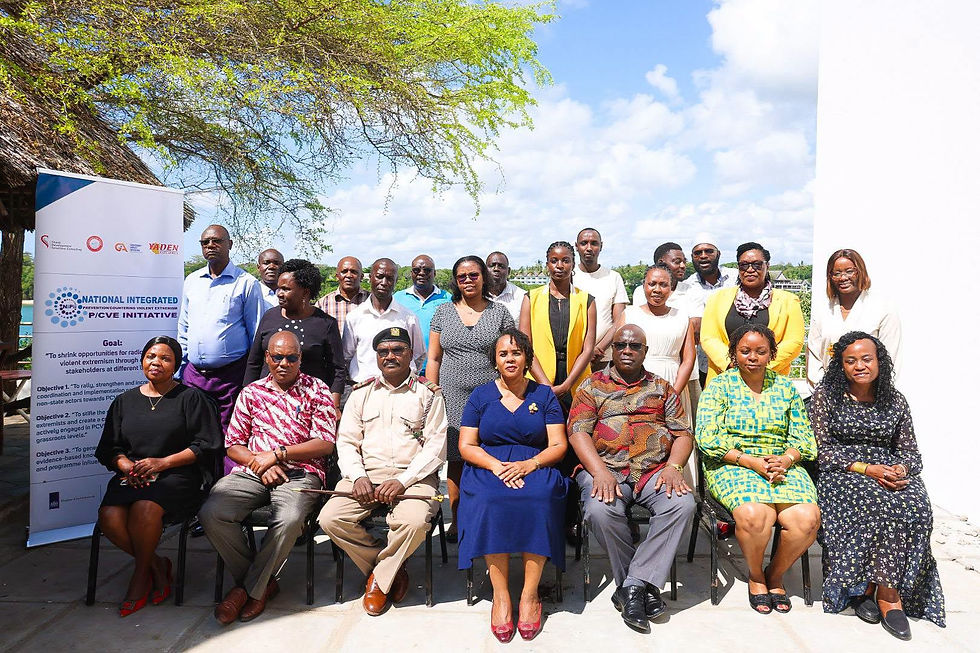
Community Security remains a shared responsibility requiring collaboration between citizens, local leadership, security agencies, civil society organizations, and other stakeholders. In Kwale and Kilifi Counties, community security dialogues have provided important platforms for residents and stakeholders to openly discuss emerging threats, share experiences, and identify practical solutions to challenges affecting peace, safety, and social cohesion.
Through engagements supported by Mwanamke Imara Project, communities in the two coastal counties raised a range of concerns that demonstrate the interconnected nature of insecurity, social vulnerabilities, livelihoods, and community behaviour.

Emerging Security Concerns
Human-Wildlife Conflict in Kwale
In Kwale County, human-wildlife conflict emerged as an important concern affecting communities. Residents highlighted the impact of interactions between communities and wildlife on livelihoods, safety, and community relations. The discussions emphasized the need for continued engagement between affected communities, relevant government agencies, and other stakeholders to strengthen prevention, response, and community awareness.
Rising Gender-Based Violence and Vulnerability
Participants also raised concerns about the increasing cases of Gender-Based Violence in both counties, Kwale and Kilifi, particularly affecting vulnerable groups. The role of boda boda operators in some reported cases of sexual violence against young women was specifically highlighted.
The discussion demonstrated that GBV cannot be addressed solely as a criminal justice issue. It requires prevention, community awareness, behavioural change, survivor-centred responses, and stronger collaboration between communities, security actors, transport stakeholders, and organizations working on gender and protection.
Boda Boda-Related Violence and Community Tensions
The boda boda sector featured prominently in discussions in both counties. Participants raised concerns about cases of violence involving boda boda operators, including killings reportedly linked to revenge following unresolved GBV cases and other community disputes.
Rather than viewing the boda boda community only through the lens of insecurity, participants recognized the importance of engaging boda boda operators as partners in community security. This creates an opportunity to understand the challenges facing the sector, address harmful narratives, promote responsible behavior, and identify practical solutions collaboratively.
Copper and Scrap-Metal Theft
Another emerging concern affecting both Kilifi and Kwale Counties was the increasing theft of copper and other metals. Participants expressed concern that the scrap-metal business may, in some cases, create opportunities for stolen materials to enter the market.
The discussions pointed to the need for stronger collaboration between security agencies and scrap-metal businesses to improve accountability and establish mechanisms for identifying and reporting suspicious materials.
Noise, Violence and Crime in Kilifi South
In Kilifi South, concerns were raised about excessive noise associated with some nightclubs and churches. Beyond the disruption caused to communities, participants discussed how poorly managed nightlife and community disturbances can contribute to conflict, violence, and other forms of crime.
The issue highlighted the importance of balancing freedom of worship and entertainment with community safety, responsible business practices, and compliance with relevant regulations.
Exploitation and Involuntary Recruitment into Prostitution
What really came out also was involuntary recruitment and exploitation of vulnerable individuals into prostitution, particularly in areas such as Mtwapa and Konamsa.
The discussion underscored the need for stronger prevention mechanisms, community awareness, protection of vulnerable people, and coordinated responses involving security actors, community leaders, civil society organizations, and relevant government departments.
Abuse of People Experiencing Mental Health Challenges
In Mtomondoni and Mtwapa, there were also concerns about the abuse and exploitation of people experiencing mental health challenges, including by individuals involved in drug use.
This raised the need for a more coordinated community response that recognizes the dignity and rights of vulnerable people while addressing substance abuse, exploitation, and community safety.
Normalization of Gang Affiliation Among Young People
In Kilifi South, participants identified the normalization of youth affiliation with gangs as an emerging concern. The growing perception of gang membership as acceptable or desirable among some young people was seen as contributing to the expansion of gangs and increasing insecurity.
Participants emphasized the importance of addressing the underlying drivers of gang affiliation, including harmful social narratives, limited opportunities, peer influence, and the need for stronger positive alternatives for young people.

Resolutions and Commitments
The dialogues did not only identify problems; they also created space for stakeholders to identify practical actions and commitments.
1. Follow-Up Engagement with the Boda Boda Community
YOWPSUD committed to follow up on the boda boda-related concerns through a dedicated dialogue with the boda boda community.
The proposed engagement will provide a safe and constructive space for boda boda operators and other stakeholders to:
Understand the challenges and concerns within the sector;
Explore the factors contributing to negative perceptions and harmful behaviours;
Develop positive narratives around the role of boda boda operators in community safety;
Identify practical approaches for behavioural change;
Strengthen collaboration between boda boda operators, communities, security agencies, and other actors.
The approach will be multi-sectoral, recognizing that sustainable change requires more than enforcement alone.
2. Strengthening Chief's Barazas
YOWPSUD committed to supporting more Chief's Barazas as platforms for community dialogue, early identification of emerging security concerns, information sharing, and joint problem-solving.
Strengthening these existing community structures will provide opportunities for residents to raise concerns before they escalate and for local administrators, security actors, and other stakeholders to respond collectively.
3. Collaboration with Scrap-Metal Businesses
The Officers Commanding Stations (OCS) in Kilifi and Kwale committed to strengthening collaboration with scrap-metal businesses and related entities.
The security leadership committed to work with scrap businesses to develop and strengthen mechanisms for checking and regulating materials brought to scrap facilities, with particular attention to suspicious or potentially stolen materials.
Scrap-metal entities were encouraged to report suspicious materials and transactions to security agencies, while the security agencies committed to take appropriate action against individuals found to be involved in theft or the handling of stolen materials.

Moving from Dialogue to Action
The community security dialogues demonstrate the value of creating regular spaces where communities can speak openly about security concerns and engage directly with those responsible for prevention and response.
The issues raised in Kwale and Kilifi also show that community security is interconnected with GBV, youth vulnerability, livelihoods, substance abuse, human-wildlife conflict, organized crime, community policing, accountability, and social norms.
For YOWPSUD, the dialogues provide an opportunity to move beyond identifying problems toward building locally owned solutions. Follow-up engagements with the boda boda community, strengthened Chief's Barazas, and collaboration between security agencies and scrap-metal businesses represent practical entry points for sustained action.
Ultimately, safer communities will require continued dialogue, accountability, behavioural change, and collaboration across sectors. By bringing communities and institutions together, community security dialogues can help transform emerging concerns into opportunities for prevention, collective action, and stronger social cohesion.


Comments