Strengthening Women’s Leadership in Preventing Violent Extremism in Coastal Kenya

Updated: May 11
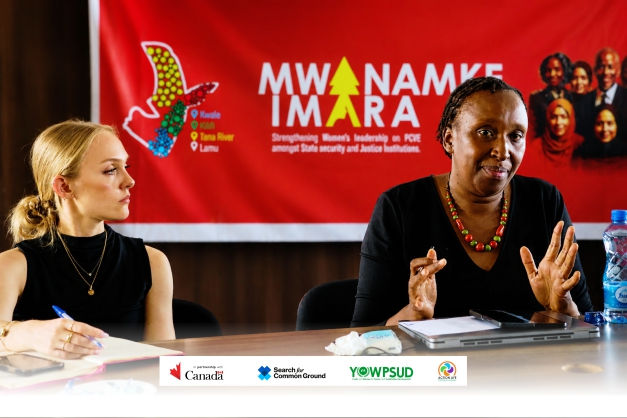
On 29th April 2026, a powerful mentorship reflection session was held in Kilifi County under the Mwanamke Imara Mentorship Program, bringing together women from the security and justice sectors to reflect on their leadership journeys and growing role in preventing and countering violent extremism (PCVE).
The session, part of the Mwanamke Imara project, convened 31 participants, including mentors, mentees, and representatives from partner organizations and the donor community. Hosted at Wananchi Hotel, the meeting provided a safe and dynamic space for participants to assess their progress, share experiences, and strengthen their networks.

A Shift That Sparked Deeper Engagement
Although the session was initially designed to be facilitated externally, a delay required the program team to quickly adapt. This unexpected shift led to a more participant-led and reflective approach, ultimately resulting in deeper engagement and richer conversations.
Rather than relying on formal facilitation, participants took ownership of the session, openly sharing their experiences, challenges, and achievements. This adaptive approach highlighted the value of flexibility in program implementation and the power of creating spaces where participants feel heard and empowered.

Interactive Learning and Reflection
A key highlight of the session was a gamified digital profiling activity, which encouraged participants to reflect on their leadership, confidence, and influence within their institutions. The activity created an energetic and relaxed atmosphere, setting the stage for meaningful discussions.
Participants then engaged in focus group discussions guided by Outcome Harvesting principles. These discussions explored:
Changes in leadership and workplace engagement
Real-life examples demonstrating those changes
The role of the mentorship program in driving transformation
Emerging Impact: From Confidence to Influence
The session revealed clear and encouraging signs of growth among participants:

1. Increased Confidence and Leadership
Many women reported a significant boost in confidence, moving from passive observers to active contributors in meetings and decision-making spaces. Participants shared stories of speaking up, presenting ideas, and taking initiative within their institutions.
2. Growing Institutional Influence
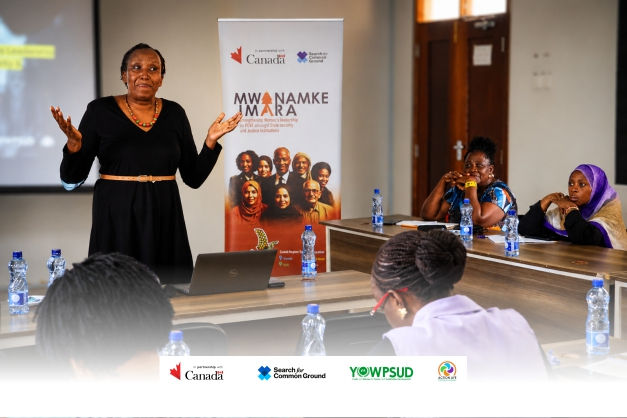
Participants are beginning to shape conversations within their organizations, advocating for gender-sensitive approaches and engaging in policy discussions. Notably, three mentees reported promotions to senior roles, reflecting the program’s tangible impact.
3. Active Engagement in PCVE Efforts
Beyond personal growth, participants are applying their knowledge in practical ways, including:
Conducting community awareness initiatives
Mentoring peers and junior colleagues
Promoting dialogue within institutions
Identifying early warning signs of extremism
4. Stronger Support Networks
The mentorship structure has fostered meaningful relationships, providing both emotional and professional support. Participants highlighted the importance of peer learning and collaboration, with many sharing examples of colleagues supporting each other beyond the program’s formal structure.
The Power of Mentorship
Across all discussions, participants credited the Mwanamke Imara Program with:
Providing structured mentorship and guidance
Creating safe spaces for open reflection
Building confidence to step into leadership roles
The program is not only nurturing individual growth but also developing a network of women leaders actively contributing to peace and security in their communities.
Lessons and the Way Forward
The session underscored several important lessons:
Flexibility in program delivery can unlock deeper impact
Participant-led approaches encourage authenticity and ownership
Gamified tools enhance engagement and openness
Mentorship impact is visible even in early stages
Looking Ahead
Participants expressed a strong desire for more time for reflection and deeper discussions in future sessions, as well as improved systems for tracking long-term mentorship outcomes.
Conclusion
The Kilifi mentorship reflection meeting reaffirmed a powerful truth: when women are supported, heard, and empowered, they become catalysts for change.
Through the Mwanamke Imara Mentorship Program, women in Kenya’s security and justice sectors are not only strengthening their leadership capacities but are also playing a critical role in preventing violent extremism and promoting peace within their institutions and communities.


Comments