Strengthening Justice from Within: Gender Sensitivity Training for Security Actors in Kwale

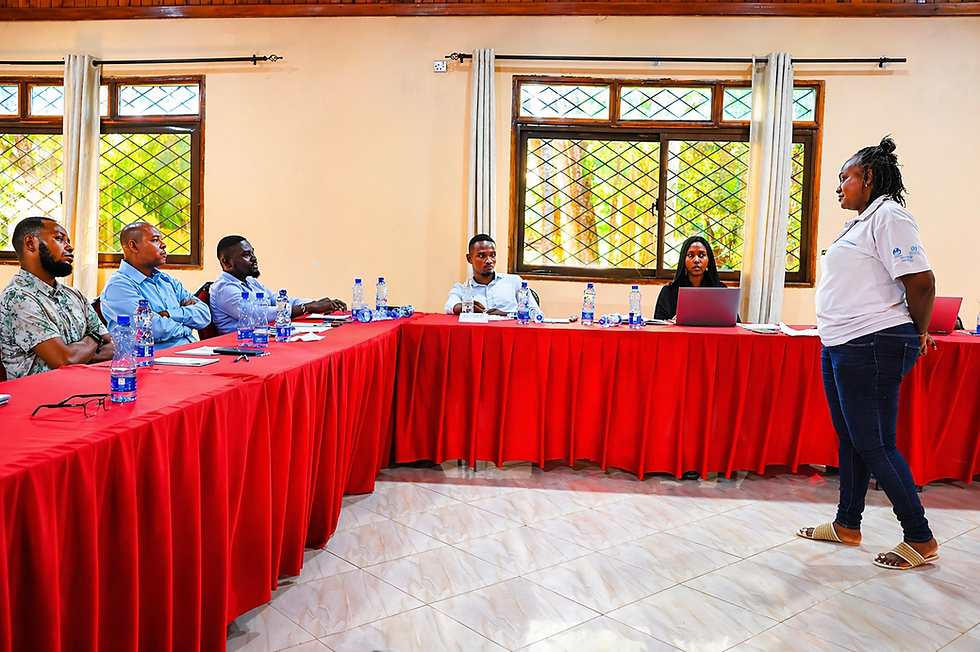
In Kwale County, male security and justice actors came together under the Mwanamke Imara Program for a critical Gender Sensitivity Training aimed at strengthening human rights principles and deepening understanding of Gender-Based Violence. The session created a rare but necessary space for reflection, dialogue, and accountability among those who sit at the frontline of justice and community protection.
At the heart of the training was a powerful realization: GBV is not only physical. Participants explored the often-overlooked dimensions of emotional and economic violence, forms of harm that silently erode dignity, agency, and stability within households and communities. These invisible forms of violence are deeply connected to broader structural inequalities that also drive vulnerability to violent extremism.

“It’s very dangerous to have power without knowledge.” – Mohammed
This statement captured the essence of the session: authority without awareness can reinforce harm, but when grounded in knowledge and responsibility, it becomes a force for protection, justice, and transformation.
Why This Training Matters: Insights from the Mwanamke Imara Baseline
The importance of such engagements is strongly reinforced by findings from the Mwanamke Imara baseline study:
65.8% of respondents identified GBV as a major conflict driver
77.8% cited discriminatory recruitment and institutional bias
76.5% highlighted exclusion from decision-making spaces
Only 27% of trained women felt confident applying leadership skills
These figures reveal a critical gap: while women are central to prevention and peacebuilding, institutional environments remain largely unprepared to support gender-responsive leadership and justice.
This is where gender sensitivity training becomes not just relevant, but essential.
Transforming Mindsets: The Role of Men as Allies
A key outcome of the Kwale training was the recognition that men are not just participants in the system, they are key drivers of change.
Through honest dialogue and gender activism, participants reflected on their roles as:
Protectors of human rights
Allies in advancing gender equality
Change agents in preventing GBV and violent extremism
This aligns directly with the program’s objective of increasing the number of male leaders who apply gender-sensitive and human rights–centered approaches, currently at 75%, with clear room for deeper transformation at community level.

Aligning with Global, National, and County Frameworks
Global Frameworks – Women, Peace and Security (WPS)
This training contributes to the Prevention and Participation pillars of the WPS Agenda by:
Addressing root causes of violence
Promoting inclusive, gender-responsive security approaches
Strengthening collaboration between men and women in peacebuilding
National Frameworks – Kenya’s PCVE & WPS Agenda
The activity directly supports:
Kenya National Action Plan (KNAP III) by enhancing gender inclusion in security systems
National Strategy to Counter Violent Extremism (NSCVE) through community-based prevention and multi-stakeholder engagement
By building awareness among male actors, the training strengthens institutional readiness to support women’s leadership in PCVE.
County-Level Frameworks – CAPs & CEFs
At the county level, the training reinforces:
County Action Plans (CAPs) by addressing local drivers of conflict such as GBV and inequality
County Engagement Forums (CEFs) by promoting inclusive participation and collaboration
It ensures that gender is not treated as an add-on, but as a core component of security and justice delivery.

From Awareness to Action: What This Training Intends to Achieve
This engagement is not a one-off activity, it is part of a broader Theory of Change under Mwanamke Imara:
Immediate Outcomes
Increased awareness of GBV in all its forms
Improved attitudes toward women’s leadership
Strengthened human rights–based approaches among male actors
Intermediate Outcomes
More inclusive and accountable security institutions
Increased trust between communities and justice systems
Greater support for women’s participation in decision-making
Long-Term Impact
Reduced vulnerability to violent extremism
Stronger, more resilient communities
Sustainable peace driven by inclusive leadership
Community-Level Impact: Why This Matters Beyond Institutions
At community level, gender sensitivity trainings:
Shift harmful norms that limit women’s participation
Strengthen early warning and prevention systems
Build trust between citizens and security actors
Encourage collective responsibility in addressing violence
When security actors understand gender dynamics, they are better equipped to:
Respond to cases of violence with empathy and fairness
Engage communities in prevention efforts
Support women as leaders, not just beneficiaries
A Step Toward Inclusive Peace
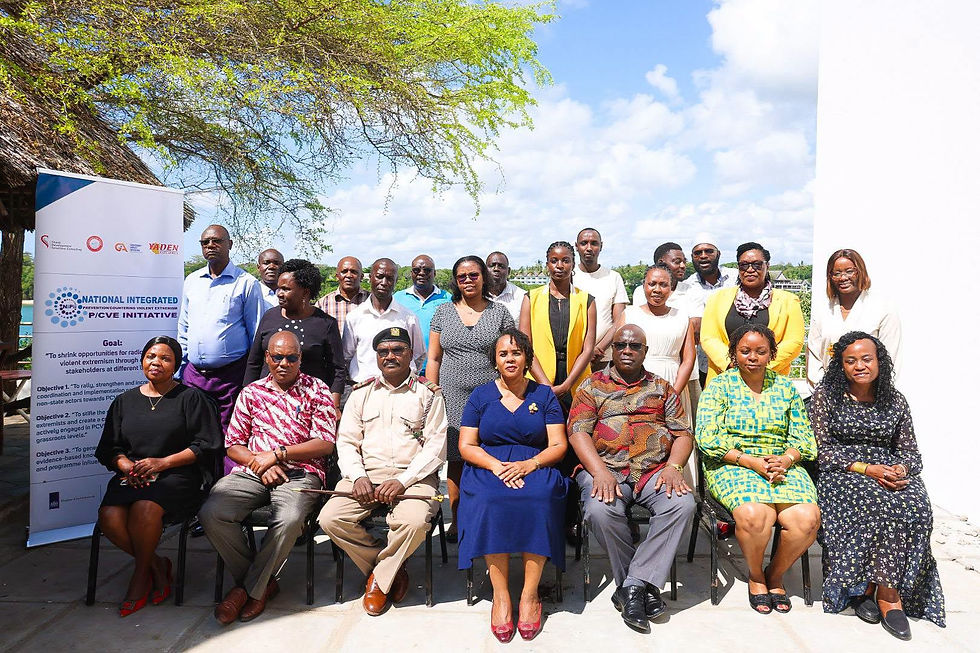
The Kwale training is a clear example of how Mwanamke Imara is bridging the gap between policy and practice, institutions and communities, and men and women as partners in peace.
It reinforces a simple but powerful truth:
Sustainable peace cannot be achieved without gender equality, and gender equality cannot be achieved without transforming the systems and mindsets that shape our communities.
As the program continues to scale across coastal Kenya, such engagements will remain critical in ensuring that power is guided by knowledge, leadership by responsibility, and justice by humanity.


Comments